Ethiopia - Omo Valley Photo Tour - full itinerary
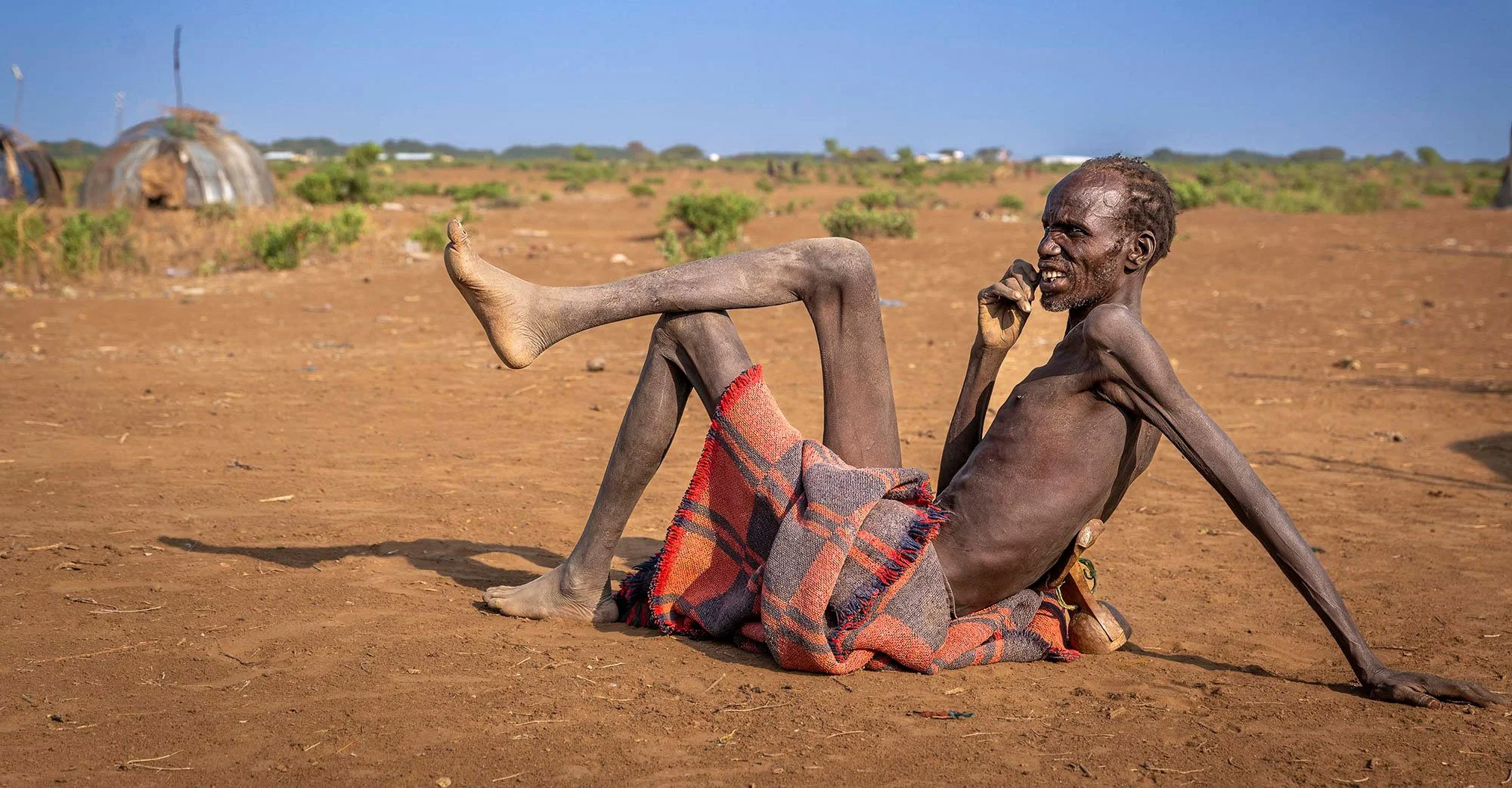
The Omo Valley in southern Ethiopia is one of the last great frontiers for cultural and portrait photography. Home to some of the world's most visually striking and culturally intact tribes — the Suri, Mursi, Hamar, Kara, Nyangatom, Dassanech, Bodi, and Arbore — this remote region offers an extraordinary window into ways of life that remain largely unchanged for centuries.
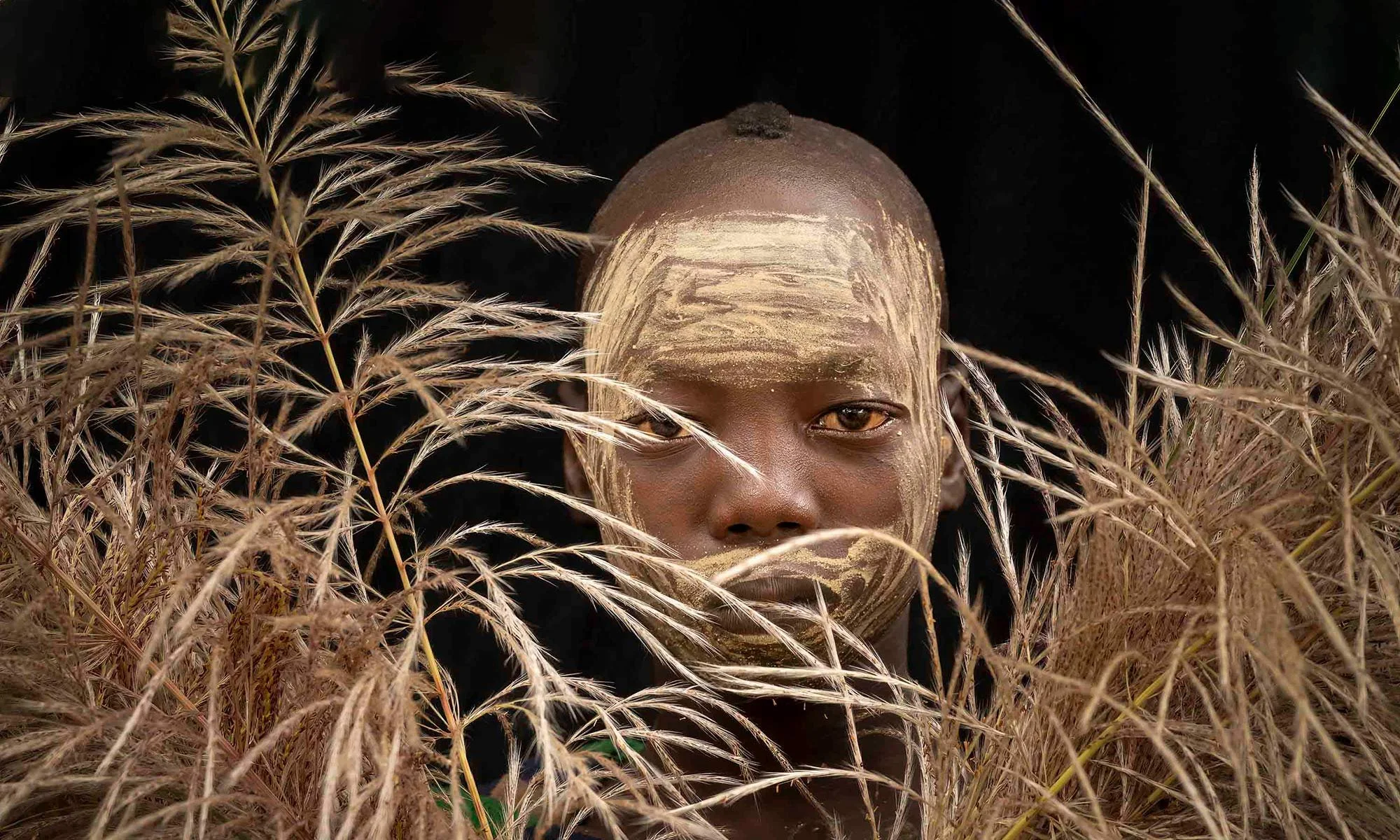
From the intricate body painting and lip plates of the Suri and Mursi women, to the vibrant ochre-dusted hairstyles of the Hamar and the beaded adornments of the Nyangatom, every encounter here is a masterclass in portraiture.
We spend time in villages, at river crossings, in open-air markets, and around cattle camps — always at the right time of day to make the most of the extraordinary light this region affords. This is a journey that demands patience, cultural sensitivity, and a sense of adventure. The rewards, both human and photographic, are immeasurable.
Day 1:
Arrival in Addis Ababa
We will arrange for you to be picked up from the airport and transferred to our hotel in the city. Maciej runs an optional pre-tour technical workshop in the afternoon for those new to travel photography or who feel they would benefit from a refresher course — please confirm your interest in advance. There is a meet 'n' greet with Maciej at the hotel starting at around 6pm, followed by a welcome dinner with the group.
Day 2:
Addis Ababa — Jimma — Mizan Teferi
We start the day very early with breakfast at the airport before checking in for our 8am flight to Jimma. Upon arrival, our drivers will be waiting to welcome us and get us on our way.
Jimma is the largest city in southwestern Ethiopia and was once the capital of the former Kaffa Province — a region not only renowned for its vast coffee estates, but celebrated as the very birthplace of coffee itself. After a relaxed lunch, we continue our drive south towards Mizan Teferi. Western and southwestern Ethiopia are home to some of the country's richest and most diverse landscapes: expect sweeping vistas of cultivated land dominated by coffee, tea, and various spices, with plenty of photographic opportunities along the way.
Day 3:
Mizan Teferi — Kibish (Suri Tribe)
Today marks the beginning of our first dedicated photography sessions as we head deep into the remote southwestern corner of Ethiopia. En route, we pass through the Bebeka Coffee Plantation which is approximately 30 km from Mizan and the oldest coffee plantation in the country. From there we continue through the town of Tulgit and on to Kibish.
Our focus for the next three days will be the remarkable Suri people, one of the least visited and most culturally intact tribes in the entire Omo Valley. The Suri are semi-nomadic pastoralists who place enormous value on their cattle, and their culture is expressed not through carvings or statues, but through an astonishing living art form. They embrace elaborate body painting using natural pigments, scarification, and imaginative adornments made from flowers, feathers, and other materials found in the landscape around them.
Notably, Suri women (like the Mursi) wear lip plates. Beginning around the ages of 13 to 15, an unmarried girl's lower lip is pierced and gradually stretched using clay discs that grow larger over time. The size of the lip plate is a mark of beauty and social value, with larger plates commanding a higher bride price — up to 50 head of cattle. We spend the night at our luxury camp in Kibish.
Day 4:
Kibish (Suri Tribe)
After an early breakfast, we prepare our camera gear for a full and immersive day photographing the Suri in their daily lives. We move through villages and down to the streams, working the light as it shifts through the day and looking for the candid moments and quiet interactions that make for truly compelling portraits.
In the late afternoon, we have the opportunity to photograph a traditional Suri dance at sunset — a vibrant, rhythmic, and visually extraordinary experience that rewards both wide-angle compositions and tight portraiture. We return to our luxury camp in Kibish for the night.
Day 5:
Kibish (Suri Tribe)
Our final day with the Suri gives us ample time to consolidate what we've learned and push our creative limits — experimenting with angles, compositions, and lighting to capture something truly unique. We explore different locations and backgrounds, and Maciej will be on hand to offer guidance and encouragement as we refine our work.
In the evening, we visit a traditional cattle camp, where, if we are fortunate, we can photograph the warm pastoral scenes of cattle and herders bathed in the golden hues of the setting sun — one of those fleeting, luminous moments the Omo Valley does better than almost anywhere on earth. We return to our luxury camp in Kibish for one last night.
Day 6:
Kibish — Turmi
We depart early this morning and bid farewell to the Suri as we set off on a long drive to Turmi, which will serve as our base for the next four days. Much of the route passes through Omo National Park, a vast wilderness of savannah, riverine forest, and open grassland that forms one of Ethiopia's most important protected areas. The park is home to buffalo, elephant, lion, leopard, and a rich variety of birdlife, and while wildlife sightings are never guaranteed, we keep our cameras ready throughout.
In the late afternoon we make time to visit a Nyangatom village close to Turmi — a good first introduction to a people we will spend more time with tomorrow. The Nyangatom live in low, rounded huts of branches and grasses, clustered within a thorn-fence enclosure. As the day cools, village life picks up: women return from the river, children gather around cooking fires, and cattle are brought in for the night. The warm late-afternoon light makes for excellent portrait and documentary opportunities. We spend the night at an eco lodge on the Keske River (just outside Turmi) with views of the plains and the Buska Mountain.
Day 7:
Nyangatom and Kara Tribes
After an early breakfast, we drive to Kangatin, crossing a newly built bridge over the Omo River to reach the Nyangatom people. Believed to be descendants of the Toposa tribe of South Sudan, the Nyangatom have cultural ties stretching across into Kenya and Uganda.
They live in a harsh, arid environment, and water collected daily from the Omo River is a genuine lifeline. The women wear multiple strands of beads, accumulated over a lifetime, as a powerful symbol of status and identity.
From there, we head to the Kara people of Dus. The Kara are celebrated for their intricate chalk body painting and creative adornments — women often pierce their lips and insert thin sticks, flowers, or pins. If we are lucky, we may also witness a communal dance on the banks of the Omo River: a dramatic, dusty, energetic scene that makes for some of the most dynamic images of the entire trip. We return to the eco lodge in Turmi in the late evening.
Day 8:
Arbore — Turmi
This morning, we drive to Arbore, a small town perched at the northern edge of Mount Buska. The Arbore women are renowned for their striking beauty — dark skin, strong features, shaved heads, and dark robes layered with colourful beads. Before marriage, the women undergo this distinctive transformation, and their huts, constructed from tree branches, reeds, and papyrus, are just as characterful as their wearers.
After a photo session with the Arbore, we return to Turmi in time to explore the afternoon open-air market of the Hamar tribe. The Hamar women are immediately recognisable: thick copper necklaces that denote marital status, intricately beaded skirts, and hair treated with a rich mixture of red ochre and butter.
The men, meanwhile, style their hair with distinctive clay caps known as Poro. The market is a wonderful riot of colour, texture, and human interaction — exactly the kind of environment that rewards patient observation and a quiet camera. We return to the eco lodge in Turmi.
Day 9:
Hamar Village and Bull Jumping Ceremony
Today is fully dedicated to the Hamar tribe, and it is likely to be one of the most memorable days of the entire tour. We begin by stepping inside a Hamar village homestead to discover the world of these remarkable people at close quarters: the unique goat-skin dresses, the elaborate hairstyles, the domestic rituals, the language, and the extraordinary material culture that surrounds everyday life.
In the late afternoon, we witness the Bull Jumping Ceremony — a defining rite of passage for young Hamar men. To prove his readiness for marriage and adulthood, a young man must successfully run across the backs of a line of cattle without falling. The ceremony is charged with communal energy, music, and ceremony, and offers outstanding photographic possibilities from start to finish. We return once again to the eco lodge in Turmi.
Day 10:
Turmi — Omorate — Jinka
We rise well before dawn and drive south to Omorate, near the Kenyan border, home to the Dassanech tribe. If we are fortunate, we may witness a Dimi ceremony, a remarkable celebration of female fertility that is rarely seen by outsiders. After our photography session with the Dassanech, we return to Turmi for breakfast before continuing our journey northeast towards Jinka.
En route, we stop at the Keyafer open-air market — a lively and colourful gathering where members of the Bana, Aari, and Tsemay tribes mingle with merchants from Jinka and the surrounding villages. We also take time to meet the playful Bana stilt-walking boys, who perform atop a nearby hill and make for irresistible subjects. We spend the night at a simple lodge in Jinka.
Day 11:
Jinka — Mago National Park (Mursi Village)
We drive into Mago National Park today to visit the Mursi — arguably the most photographed tribe in the Omo Valley, and for good reason. The Mursi women wear the largest lip plates of any tribe in the region, as well as elaborate earlobe decorations, and the overall effect is one of astonishing visual power. We allow plenty of time here for extended and unhurried photo sessions before driving back to Jinka.
If time permits, we make a further stop at Keyafer, approximately 42 km from Jinka, where the market continues to draw a wonderfully diverse mix of the Banna, Aari, and Tsemay tribes alongside traders from the wider region. We return to our lodge in Jinka for the night.
Day 12:
Jinka — Addis Ababa
We begin our final morning in the field with a visit to the Bodi people — a tribe renowned for their deeply cattle-centred culture, in which livestock play a vital role in marriage, divination, and the giving of names. Semi-nomadic pastoralists and agriculturalists alike, the Bodi cultivate sorghum, maize, and coffee along the fertile banks of the Omo River, and time spent with them offers a quieter, more contemplative counterpoint to the ceremony and spectacle of the preceding days.
We return to Jinka in time to catch the late morning flight back to Addis Ababa, departing at 10:15 AM. Upon arrival, we check in to our hotel and settle into our rooms before enjoying drinks and lunch.
Later in the afternoon, we embark on a city tour of Addis Ababa, including a visit to Merkato, one of Africa's largest and busiest open-air markets. We stroll through its bustling streets, experience its vibrant atmosphere and enjoy plentiful opportunities to photograph this remarkable spectacle.
This evening, we gather for a farewell dinner at Yod Abyssinia Cultural Restaurant, where a traditional music and dance performance provides a fitting and joyful conclusion to an extraordinary journey.
Day 13:
Departure from Addis Ababa
We enjoy a long and leisurely breakfast together, during which we are treated to the deeply social Ethiopian coffee ceremony — a perfect final ritual to close out our time in this remarkable country. There’s an optional city walk for those who have later flights and we will transfer you to Bole International Airport at the appropriate time for check-in and your onward flight home.
We hope you have had an enjoyable and memorable experience, and we look forward to seeing you again on another photographic adventure!