Sri Lanka - North to South Photo Tour - full itinerary
Our photographic journey through Sri Lanka encompasses the island's remarkable diversity, from ancient sacred Buddhist kingdoms to historic colonial fortresses. We witness mist-shrouded mountains and golden beaches, offering unparalleled visual opportunities in a compact tropical paradise that is rich with vibrant culture and stunning natural beauty.
Beginning in coastal Negombo, we capture traditional authentic fishing culture before exploring the magnificent ancient city of Anuradhapura. Here, massive gleaming white dagobas, sacred ancient Bo trees, and colonial architectural remnants provide both stunning architectural grandeur and captivating scenes of living devotion against Sri Lanka's remarkably varied landscapes.
The cultural heart reveals itself through Sigiriya Rock Fortress rising majestically from Habarana's expansive plains, sacred Kandy's Temple of the Tooth, and Nuwara Eliya's distinctive colonial charm. Picturesque Ella's mountain setting offers absolutely breathtaking opportunities to photograph famous blue trains crossing historic scenic viaducts against lush verdant highlands.
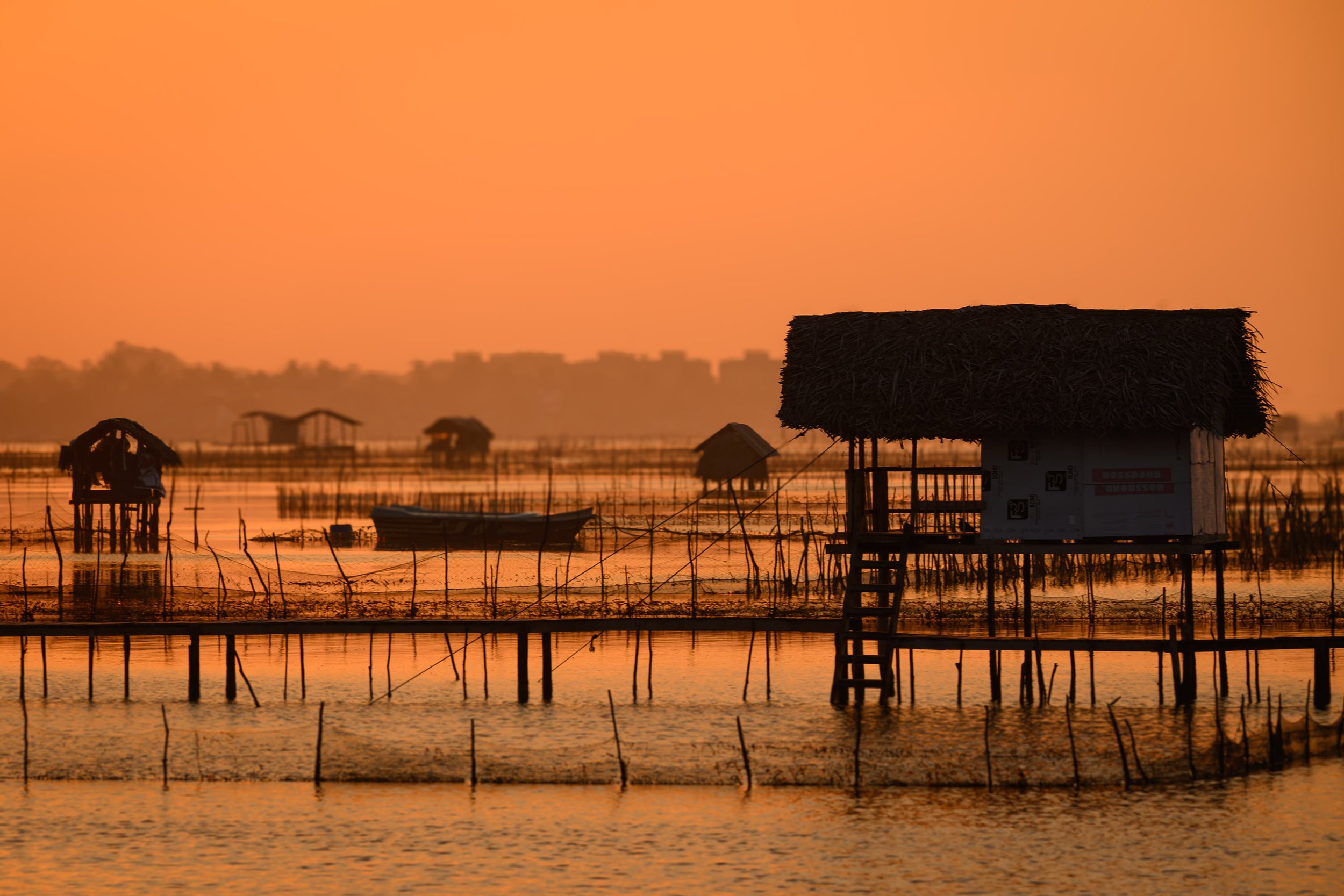
Our adventure end where Ahangama's iconic stilted fishermen create striking silhouettes against spectacular dramatic sunsets, historic Galle Fort's beautifully preserved colonial streets transport us through time, and vibrant Colombo's urban energy showcases the island's rapidly evolving culture through compelling street photography and architectural documentation.
Day 1:
Arrival in Colombo — Negombo
We will arrange for you to be picked up from the airport and taken to our beachfront hotel in Negombo. Nathan runs an optional pre-tour technical workshop from around 3-5pm for those new to travel photography or who feel they would benefit from a refresher course (please confirm your interest). There’s a meet ‘n’ greet with Nathan at the hotel starting at around 6pm, followed by drinks and dinner with the group.
Day 2:
Negombo
Early this morning, we visit the famous fishing beach of Negombo to get a glimpse of the action. We watch fishermen set sail and/or pull their nets out of the water, accompanied by loud chanting. We also hope to get some up-close-and-personal portraits of the fishermen in their beachside huts. Later, we discover a different side of the local fish industry with a visit to the dry fish area. Neatly arranged rows of fish drying under the sun offer striking visuals, textures, and insight into a traditional local trade.
In the afternoon, we set out on a boat ride along the Negombo lagoon, keeping a close eye on the birdlife, since this is the best time to spot them. We also pass through the mangroves, which are yet another ecosystem of shrubs, trees, and small monkeys unique to coastal intertidal zones. In the late afternoon light, we watch and capture a local fisherman throwing his net as the sun sets.
Day 3:
Negombo — Anuradhapura — Mihintale
Early this morning, we join the locals as they gather for the fish auction at the wet market, selling everything from minos to sharks. We then return to the hotel and enjoy breakfast together. Afterwards, we check out of our hotel and set off on the drive to Anuradhapura, which takes around four hours, allowing time to stop along the way as and when photographic opportunities present themselves, and a scheduled stop at a Hindu Temple with a reputation as a good place for exorcising bad spirits by smashing coconuts.
After checking into our lakeside hotel, we visit Mihintale, a remarkable religious site for Sri Lankans that marks the birth of Buddhism in Sri Lanka. This is believed to be the meeting place where Mahinda Thero from India met with King Devanampiyatissa and preached the doctrine of Buddhism. It is also said to have occurred on a Poson (June) full moon poya day. Mihintale literally translates into “Plateau of Mihindu.”
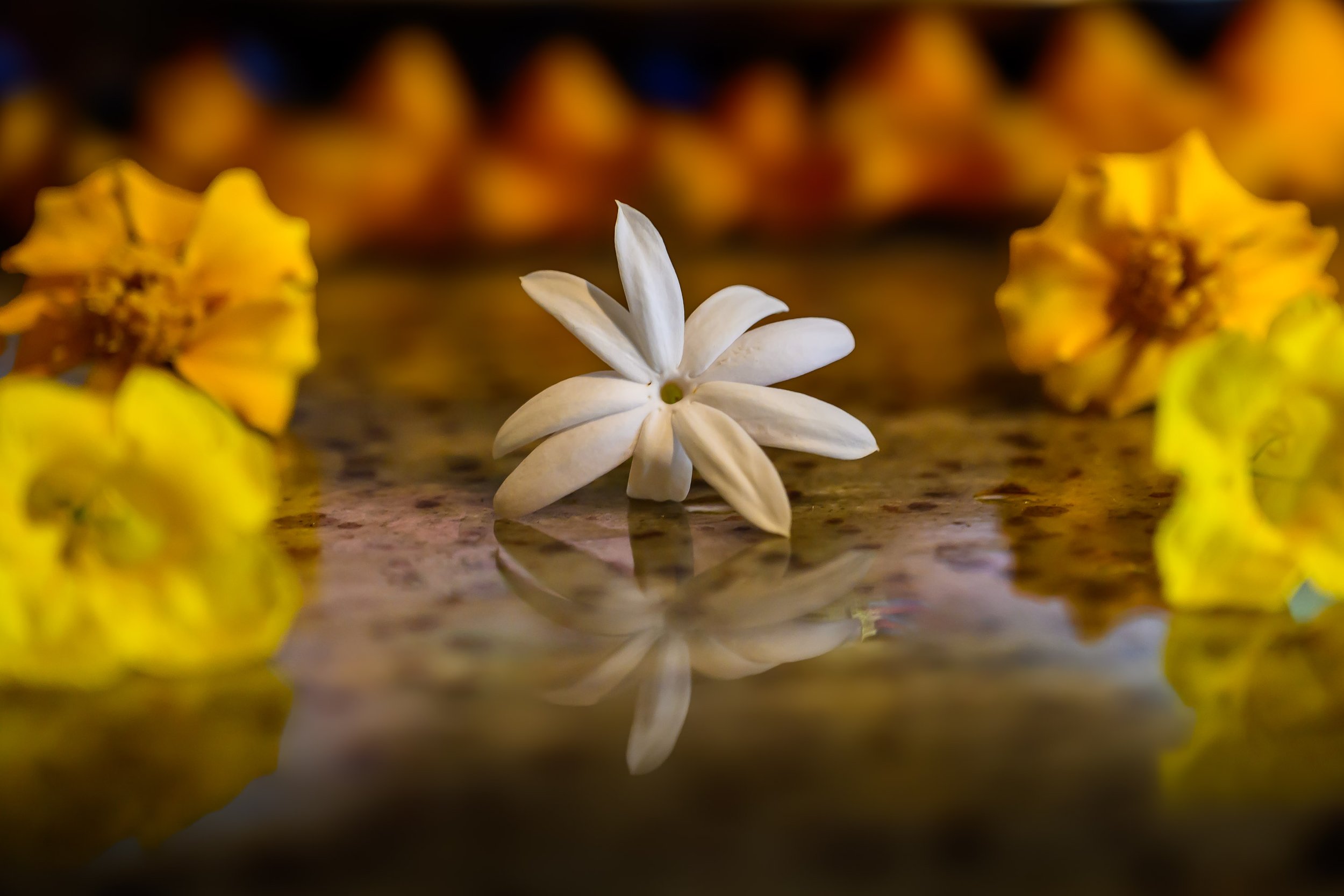
The great stairway leading up to the rock is picturesque, shaded by frangipani trees, their blossoms adorning the path. After the interesting climb up the stairs, we take some time to photograph the ancient stupas, the resident monks, and temple musicians, all whilst enjoying the breath-taking bird’s-eye view of the skies above and the greenish platoons below. Afterwards we return to the hotel for a well-earned rest.
Day 4:
Anuradhapura - Habarana
We begin our day with a visit to the ancient city of Anuradhapura, a place continuously inhabited for over two millennia and the seat of power until constant invasions forced a move further south. This is not just an archaeological site; pilgrims still visit the sacred Bo tree to pray and meditate, while the dagobas remain as majestic as they were during the reign of King Tissa, and we are very likely to witness various ceremonies as Sri Lankans visit from near and far.
In the late morning, we head to Habarana and check into our hotel, which boasts wonderful, relaxed organic vegetable gardens and a lovely swimming pool. After lunch, we head out to a local eco elephant safari, where we are confident that we’ll see many of the elephants that are free to roam in a natural environment.
Day 5:
Sigiriya Rock & Village Walk
Before sunrise, we visit Pidurangala Rock. Rising over dry plains, the challenging climb to the flat-topped monodon ends with the most scenic birds-eye view of the emerald plains and leafy villages below, and is perfectly positioned to photograph the magnificent rock fortress of Sigiriya — known locally as Lion Rock.
This is a rare jewel among Sri Lanka’s many treasures. The site was originally the domain of King Kashyapa, who aimed to build an impregnable fortress and, within it, a heavenly abode. For those who do not feel the climb is suitable for them, we can provide an alternative ground level view point of Sigiriya.
Early afternoon, we enjoy a home-style curry cooked in traditional kitchens before a tuk-tuk tour around local villages to glimpse the local people’s day-to-day life and cottage industries, before arranging a private shoot with some bullock carts passing through tree-fringed lanes and water ways.
Day 6:
Habarana — Dambulla — Kandy
This morning, after breakfast, we head towards Kandy but stop en route at Dambulla to visit the largest regional wholesale market and the more famous cave temples located up the little hill. The temple, also known as the ‘Golden Temple of Dambulla,’ is a UNESCO World Heritage site and considered the most significant and best-preserved cave temple complex in the country. It features an enviable collection of statues, stupas, carvings, as well as breathtaking paintings packed together in a small space.
We stop for lunch en route to Kandy and may make one or two photo stops along the way, as and when opportunities present themselves. Kandy remained independent while Sri Lanka was under Portuguese and Dutch rule, and it was only much later, during British rule, that the city finally fell to the world's most extensive empire.
Today, Kandy is a big city that retains touches of its colonial history in buildings such as the Queen's Hotel, a 19th-century neoclassical beauty. Late this afternoon, we explore the charming lakeside district and the local market area, before visiting the extremely interesting Helga’s Folly: an eccentric and eclectic hotel that’s covered from floor to ceiling and wall-to-wall with artistic folly indeed.
Day 7:
Kandy
At dawn, we avoid the crowds and visit the Temple of the Tooth in time for the less touristy pooja ceremony before returning to our hotel for breakfast. We then take a short drive from the bustling city center to a small inner village, where we set off on a walk that connects the two temples of Embeke and Galdaladeniya, hidden gracefully in the hills of Kandy.
In between temples, we can enjoy rewarding walks along the rice fields that border the neighboring small villages. With views of the greenery, we can watch the locals working in their gardens and the rice fields. Covering our knees and shoulders is compulsory when visiting the temple premises, so we should take a sarong or a shawl to cover ourselves.
Late in the afternoon, we arrange a private dance show followed by a private fire-breathing and walking show.
Day 8:
Kandy — Nuwara Eliya
Today, we take a leisurely drive to Nuwara Eliya, a city in the centrally located tea country hills, offering colonial architecture and endless tea plantations, with local tea pickers scattered throughout. We stop en route to take in some landscape shots, and engage with some tea pickers.
After checking into our charismatic hotel, we take a walk through the quirky village, taking in local life before we reach the landmark post office with British red letterboxes still in operation. Towards sunset, we head to the best of the local tea plantation landscapes, and hopefully find a few tea pickers walking home to their line houses with small bundles of firewood on their head.
Day 9:
Nuwara Ellya — Ella (by train)
Today is all about trains, hills, and bridges. We take a picturesque train ride from Nanu Oya station to Ella, using second-class tickets so that we can shoot from the windows and doorways. Later in the afternoon, we can walk back to the famous Nine Acre bridge in the hope of photographing later trains crossing the bridge. Our hotel is well-placed to give us a great view of the surrounding hills, for which Ella is renowned.
Day 10:
Ella — Ahangama — Galle Fort
After breakfast this morning, we check out from our hotel and set off on a four-hour drive to Ahangama, stopping en route for a waterfall and as usual as and when photo opportunities present themselves. After a late lunch in our Galle hotel, we dress appropriately to photograph the famous stilted fishermen, where we should arrive at the local fishing beach for the full sunset.
Day 11:
Galle Fort
After breakfast this morning, we head directly to the magnificent Galle Fort, a UNESCO World Heritage site dating back to the 16th century. This well-preserved colonial stronghold features a labyrinth of cobbled streets, imposing ramparts, and elegant red-tiled colonial homes where the local people continue to live and work.
Early afternoon, we have time for some Lightroom tips, picture reviews, and an introduction to our book template. As evening approaches, we head to a local beach that has surf schools at one end and local fishermen preparing for a night at sea as the sun starts to set.
Day 12:
Galle — Colombo
After breakfast at the hotel, we drive to Colombo via the coast road to a small town with a good reputation for making masks. After photographing their artisans (and visiting their gift shop), we make one more stop at Seema Malakaya, best known for its seated Buddhas watching over the modern city.
Colombo is the country’s largest city and capital, where a rich world awaits beyond the busy avenues. We check into our luxury seaside hotel and, later in the afternoon, an additional guide from Colombo joins us on a walk through the inner roads of Slave Island, a perfect destination for street photography. Here we meet many local people and experience how they spend their daily lives. Now is the time to experience all the city has to offer, as many of its architectural gems will probably be gone in a couple of years.
As the sun starts to set, we stroll through the Galle Face Green to see the Sri Lankan flag taken down for the night, making the perfect way to mark the end of our tours. All that’s now left to do is to return to our hotel for the evening and enjoy drinks and dinner with the group .
Day 13:
Departure from Colombo
Today, you have free time until our driver transfers you to the airport for your flight home, unless you have chosen to spend another day or two in Colombo.
We hope you will have had an enjoyable and memorable experience, and we look forward to seeing you again on another photographic adventure!